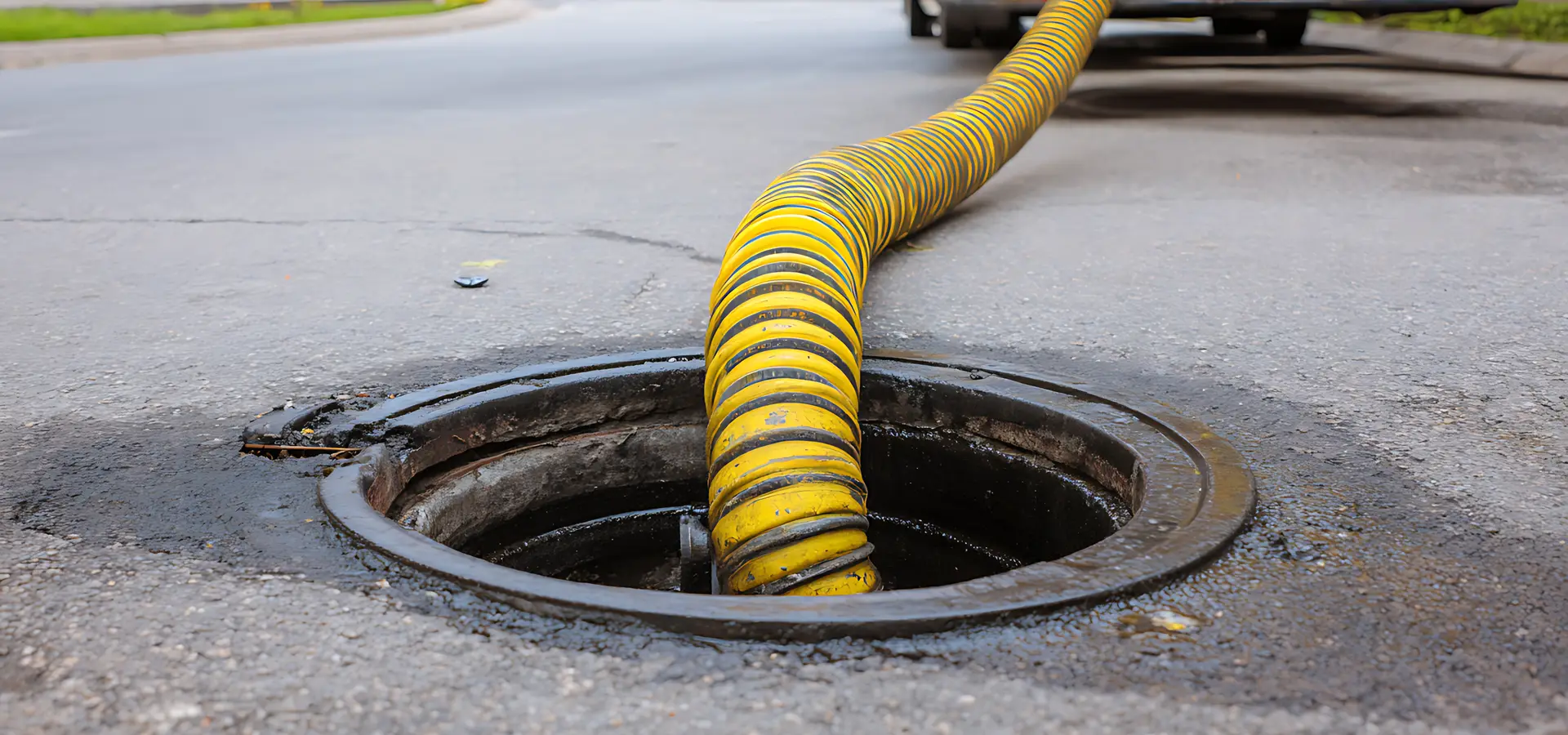
A lot of homes in Rhode Island were built 40, 60, even 80+ years ago, and the sewer lines that went in with them are still the ones in the ground today. Clay pipes crack. Cast iron corrodes from the inside out. Orangeburg pipe (yes, it's made of tar paper) collapses under its own weight. These materials weren't built to last forever, and eventually the line needs to come out and be replaced with modern PVC or HDPE that will hold up for the next 50 to 100 years.
We handle sewer line replacement for residential and commercial properties across Rhode Island, including Providence, Warwick, Cranston, Pawtucket, Johnston, East Providence, and surrounding areas. We offer both traditional open trench replacement and trenchless methods depending on the property, the pipe layout, and the condition of the existing line.
Replacement methods:
| Method | How It Works | Best For |
|---|
| Traditional (open trench) | Excavate along the pipe path, remove old pipe, install new PVC | Collapsed pipes, severely damaged lines, pipes under structures |
| Pipe bursting | Pull new HDPE pipe through the old line, breaking the old pipe outward | Lines with clear path, no major bellies, accessible pulling points |
| Pipe lining (full length) | Insert a cured-in-place liner that creates a new pipe inside the old one | Lines with cracks and joint failure but intact shape |
Old pipe materials we replace:
| Pipe Material | Common Problems | Typical Lifespan |
|---|
| Clay/terracotta | Cracks at joints, root intrusion, brittle fractures | 50 to 60 years |
| Cast iron | Interior corrosion, rust buildup, wall thinning | 50 to 75 years |
| Orangeburg | Collapses, deforms, disintegrates | 30 to 50 years |
| Galvanized steel | Corrodes, clogs with rust scale | 40 to 50 years |
| Early PVC (thin wall) | Cracks under pressure, joint separation | Varies |